Table Of Content
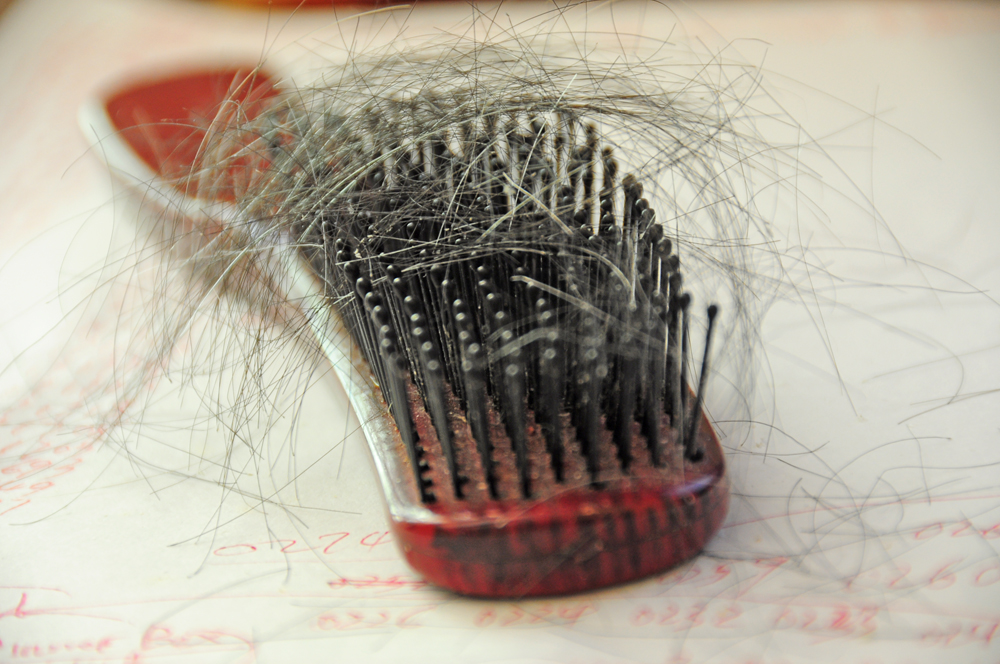
Certain conditions, including anagen effluvium and alopecia areata, can cause hair to fall out suddenly. People should speak with a doctor to identify the cause of sudden hair loss. Hair shedding due to an illness such as COVID-19 typically improves three to six months after recovery. There are around 100,000 follicles sprouting hair on the average scalp, and it’s common to lose up to 100 strands a day. Once an individual hair has shed, the follicle prepares for regrowth and the whole cycle starts again. Losing your hair can be a distressing experience, but you’re not alone.

Androgenetic alopecia
Women who develop a hormonal imbalance can develop thinning hair (or hair loss) on their scalp. Your physician may be able to pinpoint an underlying condition that's causing so much hair shedding and address your concerns, Dr. Stevenson says. According to the American Academy of Dermatologists, it’s normal to lose anywhere from 50 to 100 strands of hair per day. For people with longer hair strands, losing them may be more noticeable. Since there are 100,000 hair follicles — or more — on each person’s scalp, the loss of 100 or so hair strands a day doesn’t make a big difference in appearance.

Anagen effluvium
9 Celebrities Who Have Gotten Real About Their Hair Loss - POPSUGAR
9 Celebrities Who Have Gotten Real About Their Hair Loss.
Posted: Wed, 31 Jan 2024 08:00:00 GMT [source]
But if it continues for years, “the hairs won’t grow back.” A doctor's examination or biopsy can help differentiate this from other types of alopecia, Dr. Agbai says. Traction alopecia is a form of hair loss that happens as the result of tight or heavy hairstyles, according to the AAD. Genetic hair loss or thinning is known as androgenetic alopecia and is the most common cause of hair loss, according to the American Academy of Dermatology (AAD). The gene can be inherited from either your mother’s or father’s side of the family, though you’re more likely to have it if both of your parents had hair loss. Many women experience a lot of hair shedding after they had a baby, usually caused by falling estrogen levels after delivery. Shedding usually peaks at four months postpartum and most women regain their normal hair fullness by one year.
What are the signs of hair loss in women?
Hair loss caused by a medical condition usually stops or grows back once you've recovered. See a GP to get an idea about what's causing your hair loss before thinking about going to a commercial hair clinic. It's important to see a healthcare provider to get an accurate diagnosis and appropriate treatment plan. Your healthcare provider may suggest taking specific supplements if a nutritional deficiency causes your symptoms. Hormonal therapy may be suggested if there is a hormonal cause for the symptoms.
Excessive shedding usually stops on its own, especially if it’s caused by stress or fever. But your doctor can check for underlying problems like thyroid disorders or nutrient deficiencies. But excessive shedding — known in medical terms as telogen effluvium — is often a sign that something’s up. While hair loss isn’t itself dangerous, losing your hair is an emotional experience. Unwanted changes to your appearance can influence your self-esteem and social life.
Women and Hair Loss: Causes
Avoiding tight hairstyles will usually prevent further damage. If traction alopecia continues, a person may develop patches of hair loss and thinning of the hair. If a person has anagen effluvium due to undergoing chemotherapy, cooling the scalp during the procedure may help. Hair will often grow back within 3–6 months after stopping chemotherapy.
“If you feel like you’re losing an excessive amount of hair, talk to your doctor. More than half of all women experience noticeable hair loss over time. The thyroid gland in your neck makes hormones necessary to regulate breathing, heart rate, mood, and digestion.
How is hair loss in women treated?
If more than two or three hairs are left in your hand after each tug, you may be experiencing telogen or anagen effluvium. No more than 10 hairs per 100 strands being tugged should be coming out. There are several reasons why you might be losing your hair. According to Agbai, genetics, hormonal shifts, stress, underlying medical conditions, nutritional deficiencies, and scalp inflammation are notable factors.
Causes and treatments for hair loss
Baldness is often hereditary, and is activated by a shift in your hormones. You're unlikely to lose all of your hair with female pattern baldness. But without treatment, symptoms may get worse over time. With age, most people notice some hair loss because hair growth slows.
“I also recommend a multivitamin with biotin, zinc, and copper,” he adds. Just check in with your doctor first to make it won’t interfere with any other medications you may be taking. Dr. Rassman adds that your doctor can do a full blood panel to help target exactly what vitamins and minerals your body may need more of, like iron or vitamin D.
People can speak with a healthcare professional to determine whether they have a vitamin deficiency that may be causing hair loss. If a doctor suspects a medication is causing hair loss, they may prescribe a lower dose or switch medications. Not only can starting hormonal birth control kick off hair loss, so can quitting. You’ll probably notice a change several weeks or months after you stop. Take another look at the side effects of the drugs you’re taking -- hair loss may be on the list.
To test for lupus, a rheumatologist will examine joints and other tissues for signs of inflammation, such as heat, pain, swelling, and redness. A blood test to measure levels of anti-nuclear antibodies (ANA) may also indicate lupus. With ringworm, a fungus you contract by touching an infected person or animal, you’ll notice red patches on your scalp, which may be diffused, Dr. Jakubowicz says. A physical examination can determine which specific condition you have.
Reasons for hair loss include male or female pattern baldness, certain medications, and harsh chemical hair products. Depending on the cause, hair loss may or may not be temporary. Traction alopecia is the result of environmental factors, such as wearing your hair in tight hairstyles, Agbai says. Telogen effluvium refers to the excessive shedding of hair follicles, and it occurs when hair follicles prematurely skip to the end of the hair growth cycle, she adds.


No comments:
Post a Comment